

Imagery has a huge impact on how professional and trustworthy a website feels. Professional images that reflect your brand make a website stand out. But website images need to do more than look good. They also need to work with layouts, across devices and alongside text and calls to action.
What makes a good hero image?
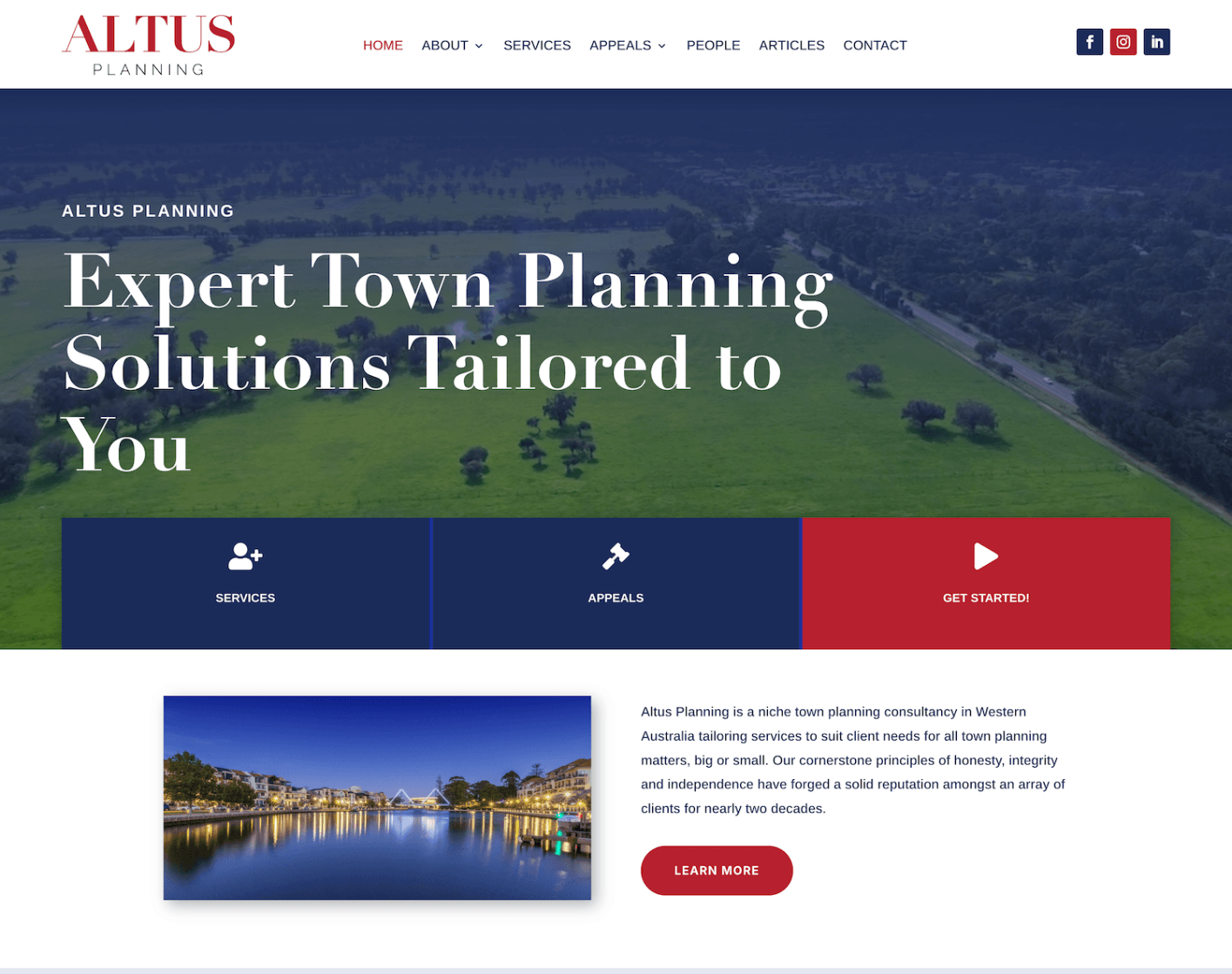
A hero image is usually the large image near the top of a homepage. I can build a hero section using your branding and graphics, but if you want to use an image there are a few things to consider.
The best hero images often have:
- a clear focal point
- good lighting and contrast
- a landscape orientation. Long and skinny is best.
- enough room for a heading, tag line and buttons without covering important parts of the image
For example, if a person is positioned directly in the centre of the image, there may be nowhere to place your title without blocking them. Images with intentional “breathing room” are often much easier to design with.
Landscape vs portrait images for web design
Most websites need a variety of landscape and portrait images, but not in equal amounts. Many people naturally take portrait photos on their phone, but websites often work better with a larger portion of landscape images.
Landscape images:
- fit banners and sections more naturally
- take up less vertical space on mobile devices
- help reduce excessive scrolling
- work better across desktop and tablet layouts
Portrait images can still absolutely be useful — especially for about pages, team sections, or testimonials. Some layouts definitely call for a portrait image but most websites benefit from having more landscape photography overall.
A good image library usually includes a mix of both.
Show yourself actively in your business
Let your images tell a story by showing yourself or your team actively involved in your business.
For example:
- a consultant sitting with a client reviewing plans or discussing ideas
- a café owner serving customers, making coffee, or interacting across the counter
- a psychologist's calm treatment space or working with a client (where appropriate and consented)
- a vet working with animals
- a creator or artist physically creating products, using tools, sketching, packaging orders, or working in their workshop
These types of images help people imagine what it would actually feel like to work with you. These moments help communicate personality, trust, and emotion before someone even reads the text on the page.
They often create far more connection than heavily posed headshots or generic stock photography. Some headshots are useful, but not everything.
What should you wear for a website photoshoot?
What you wear in photos can make a surprisingly big difference to how cohesive your website feels. Think outfits that complement the brand rather than distract from it.
That does not mean everyone needs to wear beige or perfectly match the logo. It simply means thinking about:
- colours that work with your branding
- clothing that reflects your industry and personality
- choosing outfits that feel, comfortable, and authentic to you
For example, a corporate consultant, a creative maker, and a fitness coach will naturally present themselves very differently — and that is a good thing.
The goal is not to look overly styled or formal. It is to create imagery that feels consistent with the experience your business provides.